

Good AI needs good data. In shipping, where a single route decision affects millions of dollars in fuel costs and the safety of 20+ crew members, the data quality bar is even higher.
At Weathernews, we've spent 40 years collecting that data. Now we're putting AI to work on it.
What Makes Weathernews AI Different: Built on Four Decades of Maritime Operations
Three things we've built over 40 years:
1. Data from real voyages
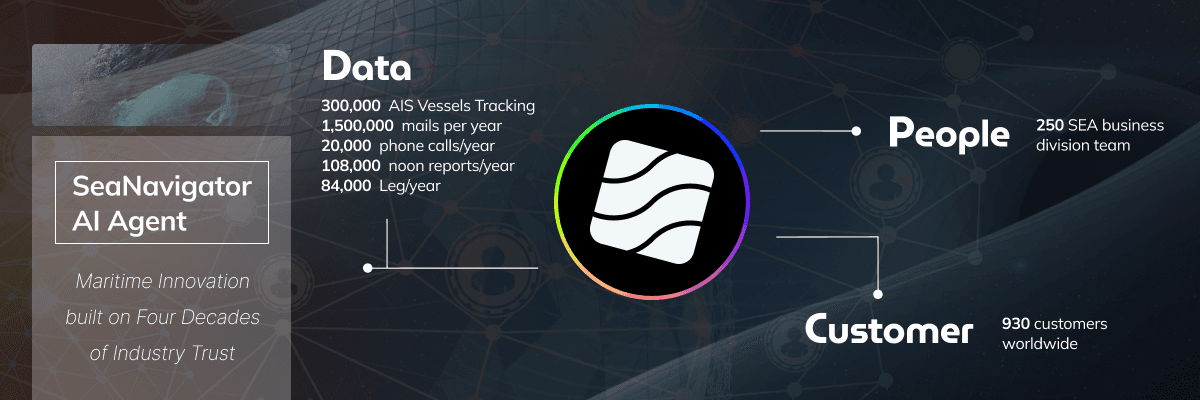
300,000+ vessel tracking records. 1.5 million emails. 108,000 noon reports annually. This isn't synthetic training data; it's decades of ships sailing through real weather conditions.
2. Knowledge from real decisions
Our 250 risk communicators support 84,000 voyages every year. Every route adjustment they recommend, every weather call they make, every "turn back" decision. All of it trains the AI on what works in the real world.
3. Feedback from real operations
900+ shipping companies use our services. They tell us what works and what doesn't. That operational feedback refines the AI constantly.
These capabilities working together enable AI that understands maritime operations, not just weather patterns. Our approach implements AI responsibly and transparently, with interpretable outputs that support your understanding, essential requirements where safety and accountability are critical.
"AI in shipping must support decision-making, not replace human oversight. Route recommendations affect safety of life at sea, asset integrity, and cargo value. Therefore, all optimization outcomes produced by AI are reviewed by experienced voyage analysts before being applied operationally. The technology is a tool—the responsibility remains with qualified professionals.”
— Keemoon Kwon, Executive Officer of the Sea Planning Group at Weathernews
The AI suggests. Humans decide. When you're responsible for a $100 million ship and 20 crew members, you don't outsource that call to an algorithm.
SeaNavigator AI Agent: Two Core Capabilities
The initial release introduces two features designed to address operational inefficiencies and deliver decision support when you need it.
Weather Insight from Weathernews AI: Know Which Ships Are at Risk
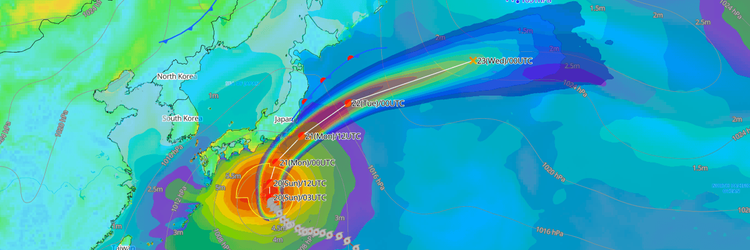
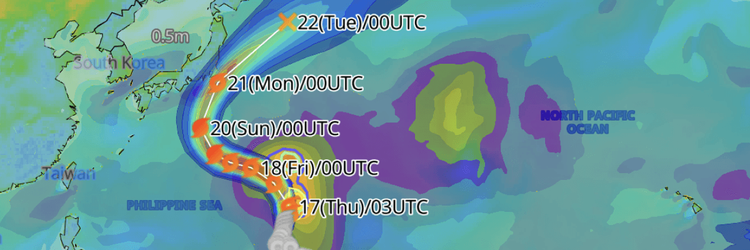
Extreme weather events are happening more often and developing faster than before. Manually checking which vessels might be affected takes time you might not have during a rapidly developing storm.
Previously, our risk communicators and voyage planners would analyze vessel positions, identify at-risk ships, and call operators individually. It worked, but it couldn't scale during busy periods when multiple weather systems were active.
Now, our AI checks your fleet every 6 hours and flags vessels that will encounter severe weather in the next 5 days. It tells you which ships, what conditions they'll face, and how long the impact will last.
You get a summary in plain language. No need to overlay weather maps and vessel positions manually. No waiting for a phone call from us.
This means faster decisions on route changes, better understanding of delay risks, and fewer surprise encounters with dangerous weather conditions.
Fleet Performance Analysis with Weathernews AI: Ask Questions in Plain Language
Understanding vessel performance means analyzing weather data, noon reports, fuel consumption, and speed logs. Until now, that meant downloading reports and building your own spreadsheets.
Complex filters, large data sets, and pattern analysis—these are conditions where AI excels. We've developed the AI Agent to let you skip the manual data organization and get straight to the insights you need.
With SeaNavigator AI Agent, queries like these:
- "Rank my vessels by those with the best fuel efficiency and fastest speed over the past three months."
- "Which vessel has the best fuel efficiency when wave height exceeds four meters?"
...are now instantly generated within seconds in the format of text, graphs, and charts.
The AI searches through your fleet's voyage data and responds in seconds. No complex filters. No switching between screens.
Through this way of working, you get performance analysis that used to take hours but now takes seconds, allowing you to spend less time organizing data and more time acting on it.
What's Next: From Tool to Partner
We're expanding the AI Agent's capabilities based on customer feedback. The goal: evolve SeaNavigator from a platform you navigate manually to one that anticipates what you need and surfaces it automatically.
From a tool you use to a partner you work alongside.