

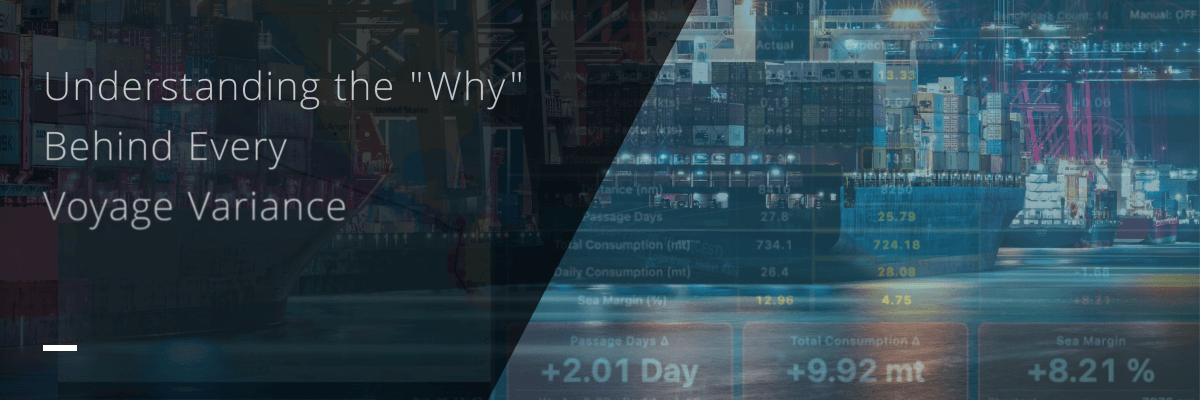
For decades, maritime operators have faced the same frustrating reality: voyages rarely unfold as planned. A South Korea-to-South America route projected at 26 days stretches to 28. Fuel consumption exceeds estimates. Charter profits shrink—and nobody can pinpoint exactly why.
Static voyage summary reports show what happened, but offer no insight into why performance deviated from projections. Was it adverse weather conditions? Vessel underperformance? Route deviations? Or a combination of all three?
Until now, fleet managers have had no reliable way to answer these questions.
The Root Cause Analysis Gap
Every voyage generates data—weather reports, AIS tracking, fuel consumption logs, speed measurements. Yet the maritime industry has lacked a systematic method to reconcile pre-voyage projections against actual outcomes and isolate the specific factors driving variance.
This analytical blind spot creates cascading problems: Operations teams can't determine whether delays stem from vessel performance issues or external conditions. Fleet managers make strategic decisions about chartering and sea margin calculations on incomplete information. Chartering departments struggle to refine forecasting models and improve profitability.
Introducing Voyage Review: Post-Voyage Performance Analysis
Voyage Review represents the industry's first digital tool purpose-built to bridge this analytical gap. As a new addition to the Performance Module, it transforms static voyage reports into interactive diagnostics that pinpoint exactly what drove variance.
How It Works
Voyage Review operates through systematic comparison:
Baseline establishment: The system establishes expected performance benchmarks based on instructed speed, typical seasonal routes, and historical weather patterns.
Variance decomposition: The tool isolates and quantifies three distinct variance sources:
- Performance variance: Difference between instructed speed and actual speed achieved
- Weather variance: Impact of actual conditions compared to seasonal averages
- Route variance: Distance and time implications of the actual path versus typical routes
Interactive visualization: Users can replay the voyage with time-synchronized weather overlays, comparing the vessel's actual path against hexagon density layers showing commonly used routes for that season.
Practical Application
Consider the South Korea-to-South America scenario. A fleet manager instructed the vessel to maintain 13.5 knots, expecting a 26-day voyage. The actual voyage took 28 days.
Within minutes of accessing Voyage Review, the operator identifies:
- The vessel achieved only 12.9 knots—0.6 knots below instruction
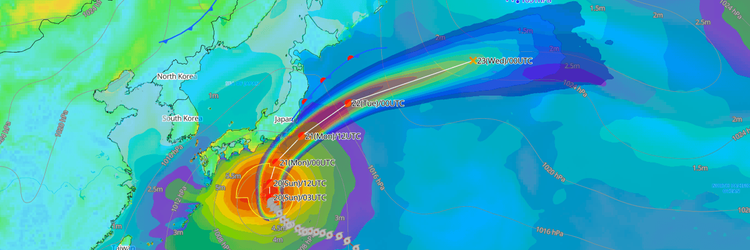
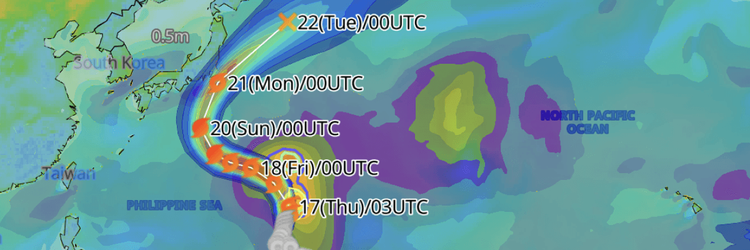
- A storm system in the western North Pacific forced a route deviation
- Weather conditions were 15% more severe than the seasonal average
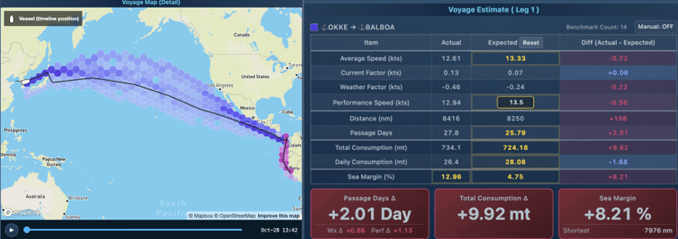
This breakdown transforms ambiguous variance into clear answers. The performance shortfall points to technical or training issues. The weather impact validates sea margin assumptions. The route deviation explains the master's decisions.
Who Benefits from Voyage Review
Voyage Review is designed for maritime professionals who need to understand the "why" behind voyage outcomes:
Fleet managers gain data for strategic fleet deployment decisions, vessel performance evaluations, and sea margin policy adjustments.
Operations teams receive objective diagnostics that separate controllable factors (vessel performance) from uncontrollable ones (weather).
Chartering departments can validate and refine voyage estimation models, improving forecast accuracy and profitability.
The Path Forward
Voyage Review represents a fundamental shift in how operational data translates into intelligence—moving from descriptive reporting ("this is what happened") to diagnostic analysis ("this is why it happened").
For fleet managers tired of profit variances without clear explanations, Voyage Review offers something the industry has long needed: answers. Future development will expand these voyage-level diagnostics to fleet-wide trend analysis, enabling managers to identify systemic patterns across multiple vessels and routes.
Voyage Review is now available as an add-on to the Weathernews Performance Module.