

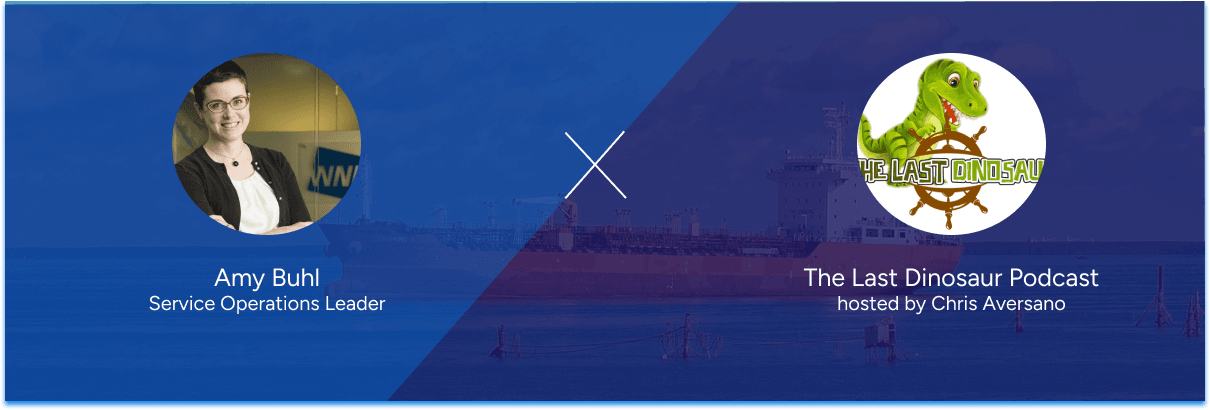
Meet Amy Buhl
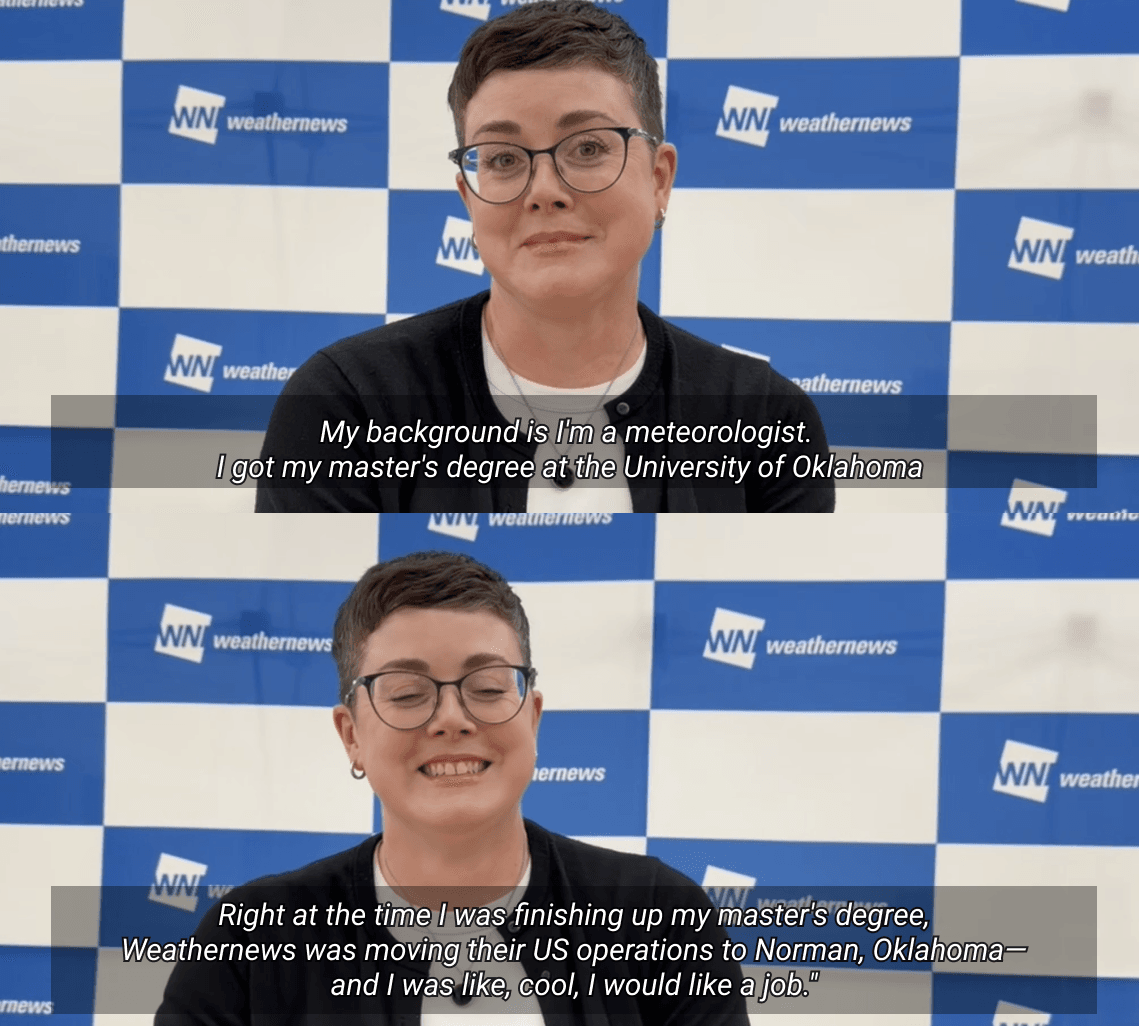
Amy Buhl’s path to becoming a Service Operations Leader at Weathernews began at the University of Oklahoma, where she joined just as the company’s US operations office was relocating to Norman, Oklahoma. What started as a weather job, evolved over more than two decades into a deeply specialized career of maritime weather operations. Working from one of the most landlocked states in the US, the question of what marine meteorology has to do with Oklahoma comes up regularly, something the team addresses directly through outreach to meteorology students, many of whom have not yet come across marine meteorology as a career path. Beyond local outreach, the role has offered Amy an unexpected global perspective: a bird's-eye view of the world economy driven by the movement of ships across the oceans.
Weather Routing in the Earlier Days
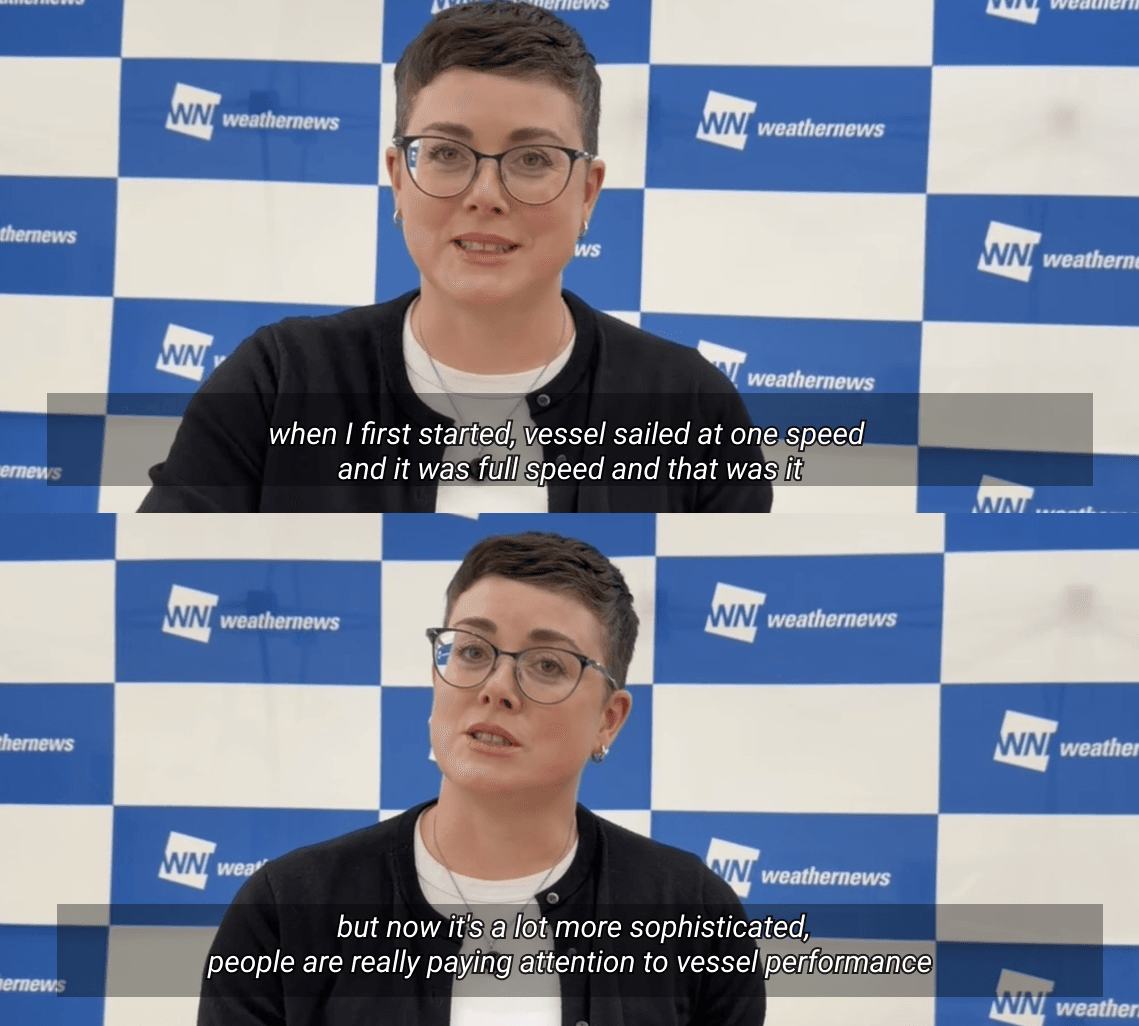
Amy recalled when looking back at how weather routing used to operate, the entire process was more straightforward than it is today. In the earlier days of the industry, the default was for vessels to sail at full speed and the routing request was rather simple, to avoid the worst conditions and maintain the schedule. The core focus was purely on getting a ship from point A to point B safely and on time. At the same time, communication was functional but slow, with weather data typically arriving as a PDF via email or through a traditional weather fax.
Shifting Commercial Realities
In recent years, the routing question has grown increasingly complex, balancing fuel costs against freight rates while accounting for a vessel's load condition, cargo type and performance characteristics. For instance, because a ship's performance directly drives its emissions and Carbon Intensity Indicator (CII) rating, operators now need these figures calculated before a voyage even begins. A strict CII target can completely rewrite a recommended speed profile, adding new layers of complexity to the decisions operators and masters must navigate together.
Digital Leap in Connectivity
Fortunately, improvements in digital connectivity have improved the pace and depth of communication between ship and shore. Instead of waiting on delayed faxes, weather data is now pushed directly to a vessel's onboard systems in near real time. Tools like the Weathernews SeaNavigator mobile app exemplify this shift, making coordination more direct by replacing endless email chains with faster exchanges between shore-side operators and ship masters.
What Hasn’t Changed: Data as Decision Support
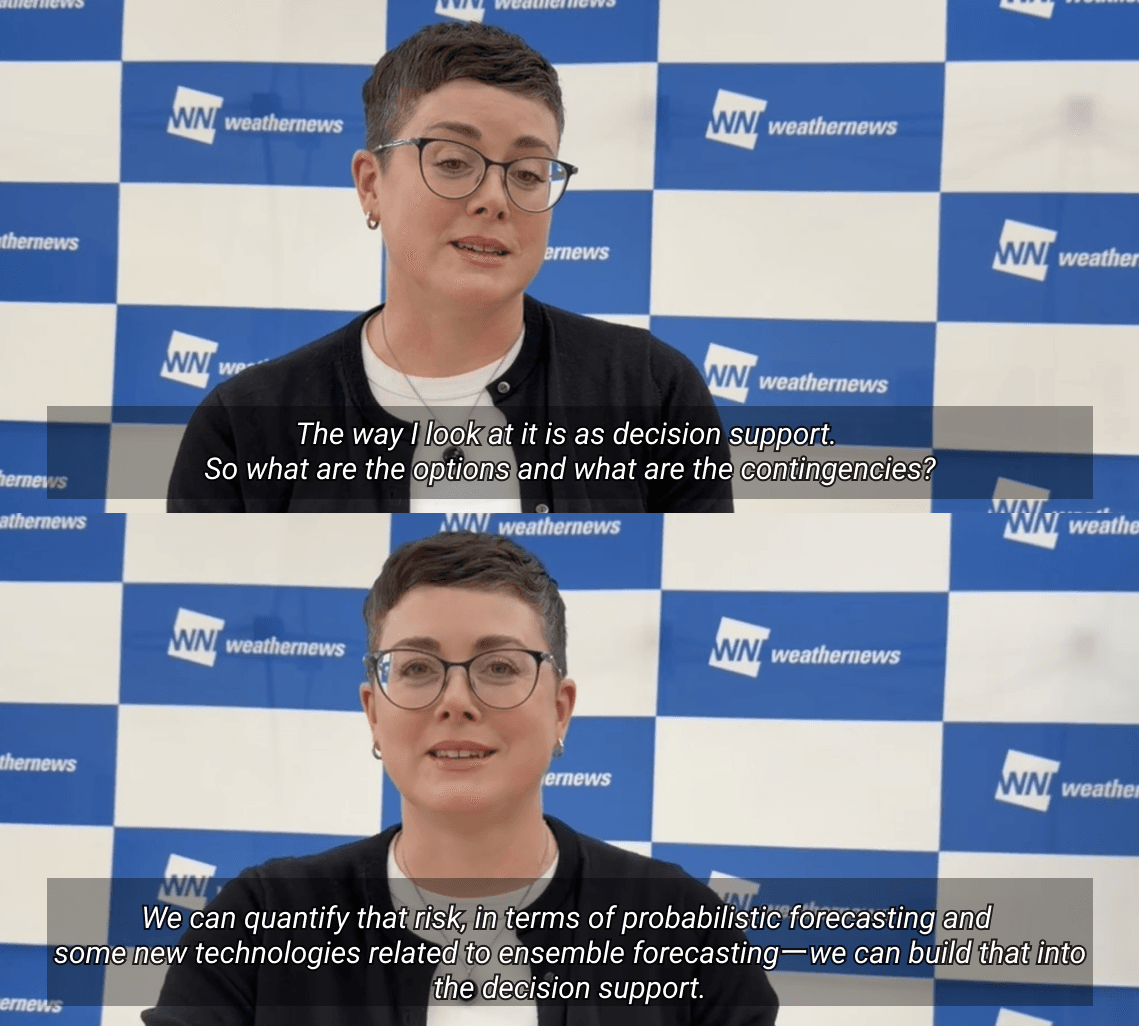
Central to the Weathernews approach is framing the service as decision support, not instruction. The core competency is weather information, but its value lies in helping operators and masters understand the implications of different choices. If you do this, here is what is going to happen, if you do this other thing, here is what is going to happen. Probabilistic and ensemble forecasting makes this possible by quantifying uncertainty rather than presenting a single forecast as the answer. When conditions are ambiguous, the range of likely outcomes can be communicated alongside the risk associated with each, giving operators a clearer basis for their decisions.
The challenges that weather routing is asked to address continue to evolve, more intense conditions and growing demands on operators and masters. For Weathernews, the core of the work remains the same: communicating risk clearly, helping people understand what it means for their specific situation, and supporting the decisions that matter.
Listen to the full Podcast!